
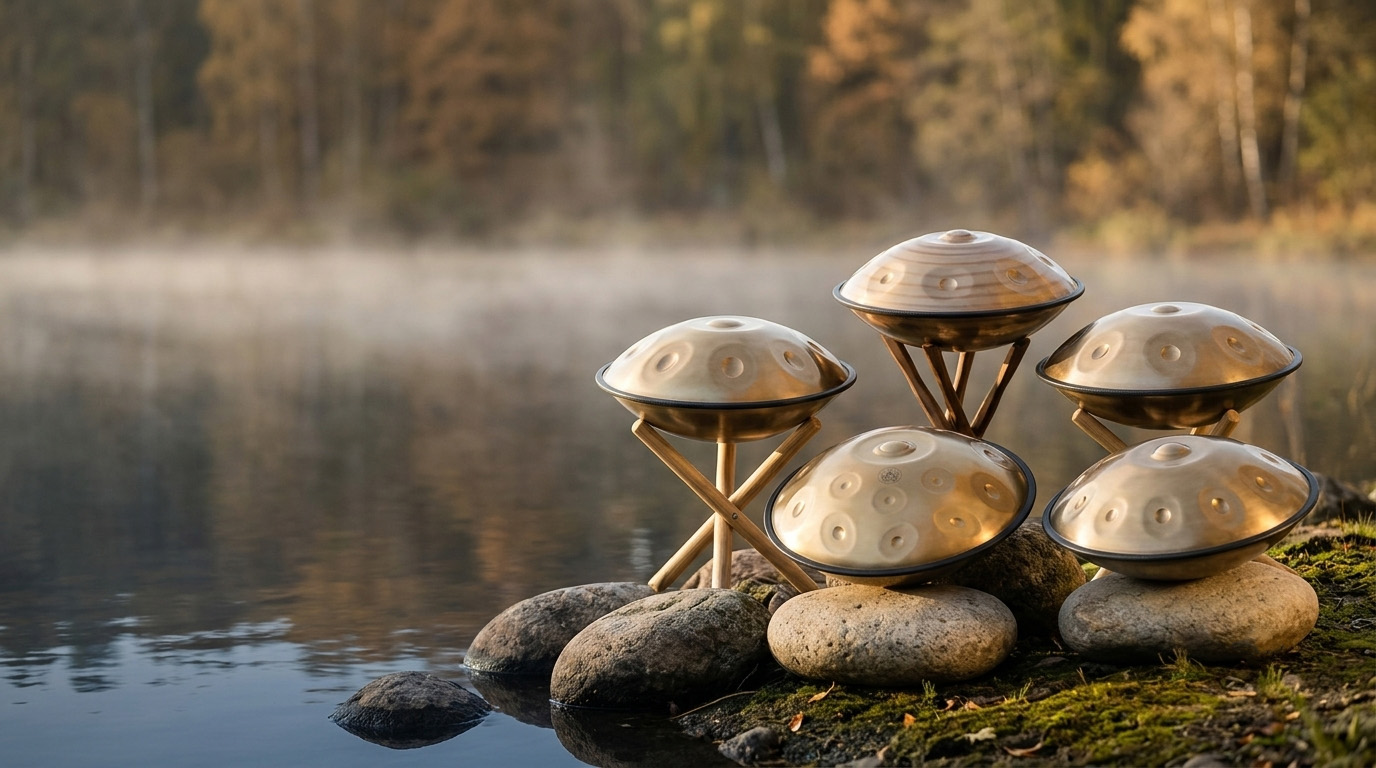
The Amara Handpan, also known as the Celtic Minor, is one of the scales I most often recommend to first-time instrument buyers. Its notes fit together naturally, making it difficult to play anything that sounds random or unpleasant. Even initial improvisations easily form coherent, melodic phrases.
Why the two names? Amara and Celtic Minor are terms used by different manufacturers for the same family of scales. They aren't strictly key-specific—you'll find both D Amara and D Celtic Minor, just like E Amara or E Celtic Minor.
In each case, it's the same interval pattern: a hexatonic minor scale without the sixth note. By omitting this note, the scale sounds spacious, open, and melancholic, while remaining highly intuitive to play. It evokes associations with Celtic, film, and relaxation music, making it well-suited for quiet improvisation, meditation, and playing for tranquility.
Which model should you choose? 17 variants from 9 to 20 notes
Handpan B2 Celtic Minor 9
Arrangement of sounds: B2 | F#3 A3 B3 C#4 D4 E4 F#4 B4
The lowest tuning in this set, Ding B2 reaches deep, so each hit resonates long and fills the room. It's often chosen by players for meditation and breathing sessions—the low register has a calming effect more quickly than lighter tunings.
Handpan A2 Celtic Minor 9
Arrangement of sounds: A2 | E3 G3 A3 B3 C4 D4 E4 G4
A classic of the genre, the Celtic Minor is probably the most recorded handpan scale in the world—most of the videos that make people fall in love with the instrument were made with it. If you want to play what you hear on YouTube, start here.
Handpan D Celtic Minor
Arrangement of sounds: D | A C D E F G A C D
The D tuning sits in the middle of the spectrum: not as deep as B2, not as bright as E. A warm, full tone that carries well live. A versatile choice when you're not yet sure which direction your playing will take.
Handpan C Amara 9
Arrangement of sounds: C | G Bb C D Eb F G C
The version with flats—Bb and Eb—gives it a darker, more reflective tone than the other variants. For those who seek contemplation rather than joy in their handpan.
Handpan C# Amara 9
Arrangement of sounds: C# | G# B C# D# E F# G# B
A half-step higher than C, but with a completely different character: bright and spacious. C# is also a tuning that easily harmonizes with instruments tuned to 432 Hz—if you play with others, ask them about their tuning before purchasing.
Handpan D Amara 9
Arrangement of sounds: D | A C D E F G A C
The same sound material as the D Celtic Minor, in a compact 9-note layout. The simple layout allows the hands to find their way—most buyers play their first tunes the same evening.
Handpan E Amara 9
Arrangement of sounds: E | B D E F# G A B D
E Amara—the variant that gives its name to the entire scale. The brightest of the nine-note scales, it's melodious and clear at the top. A good choice for recording: the high notes cut through the mix without boosting the volume.
Handpan E Amara 10
Arrangement of sounds: E | B D E F# G A B D E
Same as E Amara 9, plus a high E at the top. This single note closes the octave and allows for ending phrases "up," something sometimes missing in the 9-note version.
Handpan D Amara 10
Arrangement of sounds: D | A C D E F G A C D
The tenth note extends the D Amar's range by a full octave from the ding. In practice, it gives you more room for melody before returning to the fundamental notes.
Handpan D Amara 12
Arrangement of sounds: D | A C D E F G A C D E F
Twelve notes on the upper plane. The E and F in the second octave open phrases that you can't play on the 9- or 10-note versions. A choice for those who already play and know they'll lack range.
Handpan Celtic Minor (E Amara) 13
Arrangement of sounds: E3, B3, D4, E4, F#4, G4, A4, B4, D5, E5, F#5, G5, A5
Thirteen notes constitute a full-fledged concert instrument. The upper octave (D5–A5) allows for a high melody, while the lower notes maintain harmony.
Handpan D Amara 12 (10+2)
Arrangement of sounds: D | (F) (G) A C D E F G A C D
Variant 10+2: two additional squares on the lower bowl, in parentheses. You play the lower F and G with your thumbs or wrist—the technique requires several days of practice, but rewards you with a bass foundation beneath the melody.
Handpan B2 Amara 17 (9+8)
Arrangement of sounds: B | (D) (E) (F#) (G) A B C# D E F# (G) A B (C#) (D) (E)
Seventeen notes in a deep B2 tuning. The eight lower sections transform the handpan into an instrument capable of playing full arrangements without backing. A recommendation for experienced players, not beginners.
Handpan E Amara 14 (10+4)
Arrangement of sounds: (C) (D) (E) (F#) G (B) C D E F# G A B D E
Fourteen notes in a light E tuning. The four lower fields add a register that the classic E Amara lacks – from C down to F# up, you have over two octaves at your disposal.
Handpan E Amara 16 (11+5)
Arrangement of sounds: (C) (D) (E) (F#) (G) (A) B (C) D E F# G A B D E F#
Sixteen notes. At this stage, the handpan ceases to be a "relaxation" instrument and becomes a compositional tool—full chords, bass lines, and melody all at once.
Handpan E Amara 20 (13+7)
Arrangement of sounds: (C) (D) (E) (F#) (G) (A) B (C) D E F# G A B C D E F# G A
Twenty notes in E tuning. The largest range in the Amara family—three octaves under the fingers. Before ordering, please contact me: with this number of squares, placement is important and worth discussing.
Handpan D Amara 20 (13+7)
Arrangement of sounds: Top: (D3) A3 C4 D4 E4 F4 G4 A4 C5 D5 E5 F5 G5 Bottom: (C3) (E3) (F3) (G3) (A5) (Bb5) (C6)
The equivalent of a 20 in the lower, warmer tuning of D. The lower bell goes down to C3 and goes up to C6—a range at which you can think of the handpan as a piano.
Not sure which variant suits your game? Text me — I will ask where and why you want to play, and I will point out 2-3 models to compare.
Why Amara / Celtic Minor is the best start
You won't play out of tune. Each field resonates with the others, so improvisation sounds musical from day one.
A sound that calms. A minor base with a bright, open character – most buyers tell me they reach for the instrument in the evening to „chill out.”.
It grows with you. You start with 9 notes, and when you run out of range, the same scale exists in versions up to 20 notes. You don't have to learn a new arrangement.
Plays well solo and in duets. Celtic Minor is easy to play with another person's guitar, flute, or hang — the minor harmony is predictable for those playing together.
Who is this scale for?
For beginners, it's easy to learn, with no false notes, and your first melodies played the same day. For advanced players, it offers extended variations from 12 to 20 notes. For those who play for meditation and relaxation, it offers a calming, atmospheric sound. For fans of Celtic music, it's the same family of sounds heard in Irish music.
Don't know where to start? Read the beginner's guide →
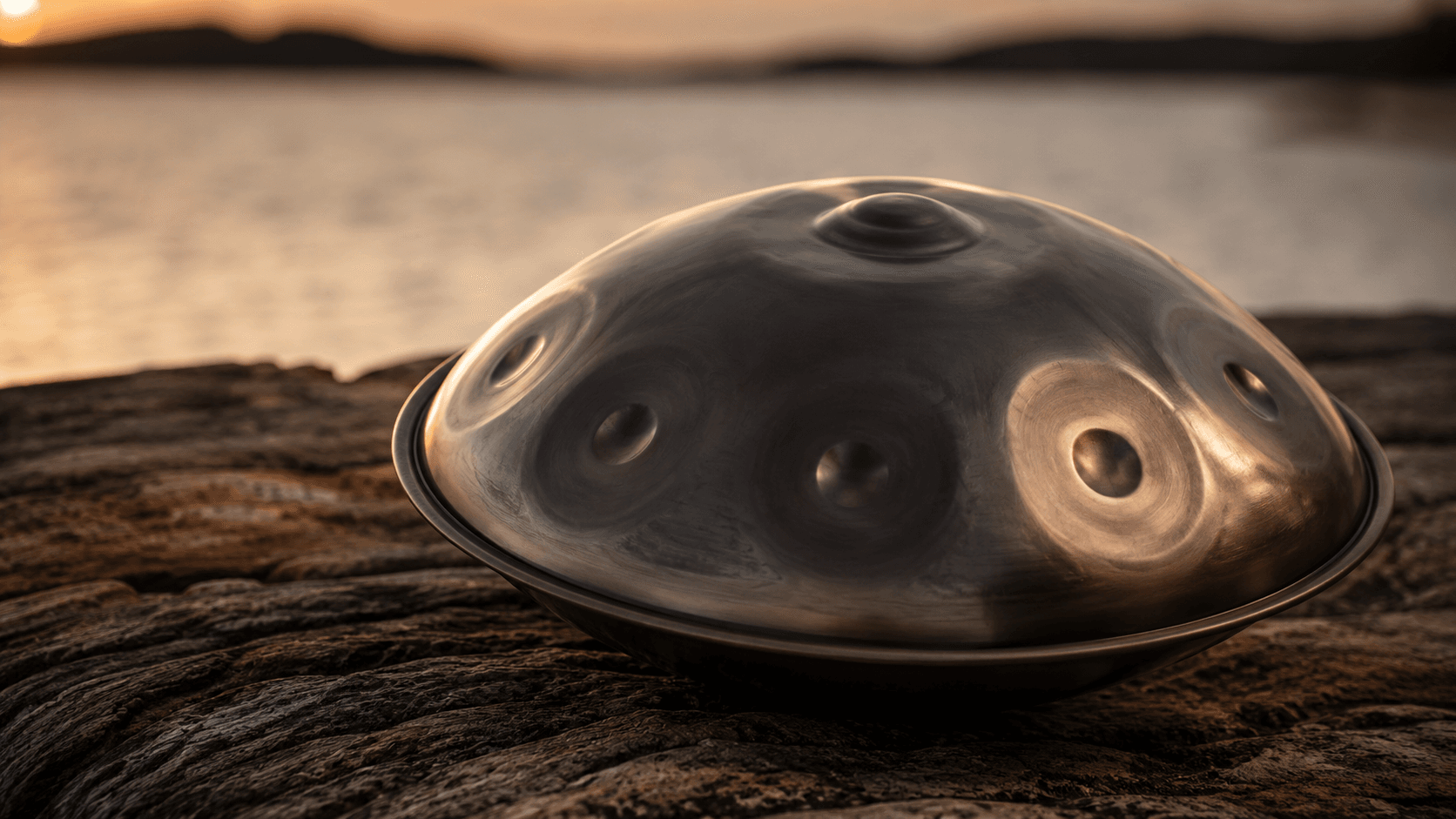
Comparative table of Celtic Minor / Amara handpan models
| Model | Arrangement of sounds | Characteristic |
|---|---|---|
| B2 Celtic Minor 9 | B2 | F#3 A3 B3 C#4 D4 E4 F#4 B4 | Deepest tuning, long sustain - for meditation and breathing sessions. |
| A2 Celtic Minor 9 | A2 | E3 G3 A3 B3 C4 D4 E4 G4 | Classic sound known from recordings - the best choice to start with. |
| D Celtic Minor | D | A C D E F G A C D | Mid-spectrum, warm tone - versatile, carries well live. |
| C Amara 9 | C | G Bb C D Eb F G C | A darker shade thanks to the flats - reflective, for contemplation. |
| C# Amara 9 | C# | G# B C# D# E F# G# B | Bright, spacious - easy to match with instruments in 432 Hz. |
| D Amara 9 | D | A C D E F G A C | The simplest layout of fields - the fastest learning, the first melodies right away. |
| E Amara 9 | E | B D E F# G A B D | The brightest of the 9-notes, a singing top — good for recordings. |
| E Amara 10 | E | B D E F# G A B D E | Closed octave - phrases can end "up". |
| D Amara 10 | D | A C D E F G A C D | A full octave from the ding – more room for melody. |
| D Amara 12 | D | A C D E F G A C D E F | Extended Treble (E, F) - For players who lack range. |
| E Amara 13 (Celtic Minor) | E3, B3, D4, E4, F#4, G4, A4, B4, D5, E5, F#5, G5, A5 | Concert instrument — melody in the second octave, harmony in the lower part. |
| D Amara 12 (10+2) | D | (F) (G) A C D E F G A C D | Two bass fields on the lower bowl – the foundation for the melody. |
| B2 Amara 17 (9+8) | B | (D) (E) (F#) (G) A B C# D E F# (G) A B (C#) (D) (E) | Deep tuning + 8 lower fields - full arrangements without backing. |
| E Amara 14 (10+4) | (C) (D) (E) (F#) G (B) C D E F# G A B D E | Over two octaves in the light E tuning. |
| E Amara 16 (11+5) | (C) (D) (E) (F#) (G) (A) B (C) D E F# G A B D E F# | Compositional tool – bass, chords and melody all at once. |
| E Amara 20 (13+7) | (C) (D) (E) (F#) (G) (A) B (C) D E F# G A B C D E F# G A | Three octaves under the hands - the largest range in the E tuning. |
| D Amara 20 (13+7) | Top: (D3) A3 C4 D4 E4 F4 G4 A4 C5 D5 E5 F5 G5 Bottom: (C3) (E3) (F3) (G3) (A5) (Bb5) (C6) | Range C3–C6 — handpan like a piano, multi-threaded arrangements. |
Amara / Celtic handpans available in the store
Below are models you can order immediately—from 9-note starter arrangements to complex instruments with courses on the lower bell. I personally test each handpan before shipping, checking the pitch of each course and the purity of its sound.
-

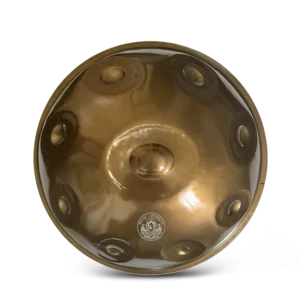
Handpan A2 Celtic 9 Low Pitch – Premium Stainless Steel 440/432 Hz
8000,00 zlotyPrice: 8000 PLN -
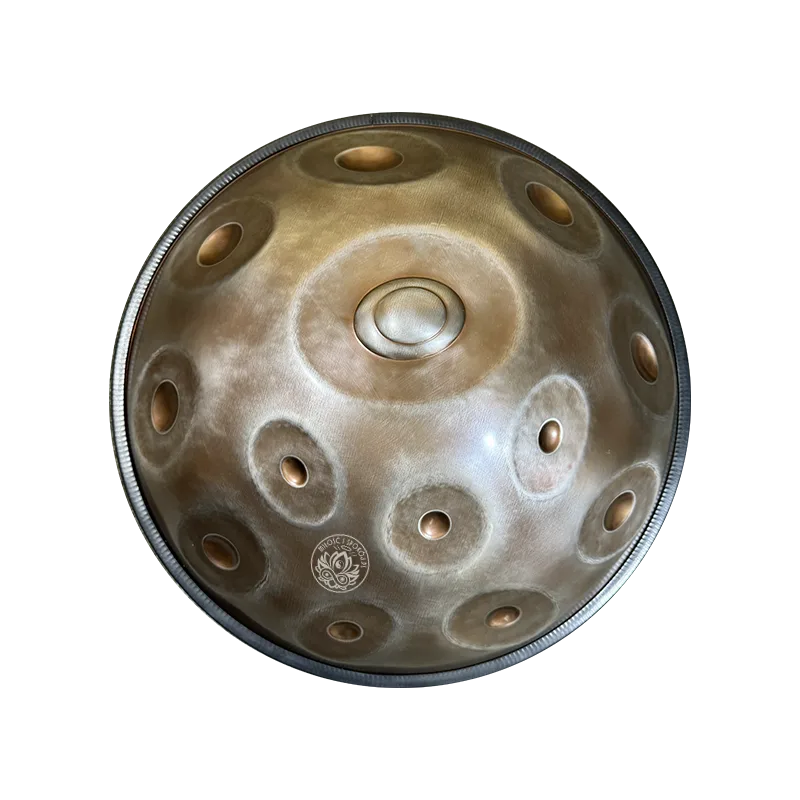
Handpan D Amara 20 (13+7) Premium Stainless Steel
12700,00 zlotyPrice: PLN 12,700 -
Handpan E Amara 10 440 Hz / 423Hz
5400,00 zlotyPrice: 5400 PLN -
Handpan E Amara 20 (13+7) - Premium Stainless Steel
12900,00 zlotyPrice: PLN 12,900 -
Handpan Celtic Minor (E Amara) 13 Premium Stainless Steel
9900,00 zlotyPrice: PLN 9,900

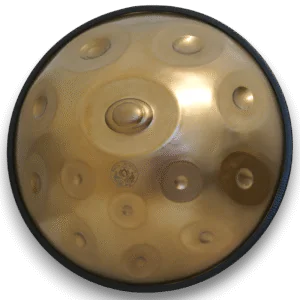

See all Amara / Celtic handpans in the shop →
FAQ
It's the same family of notes under two names. "Amara" is used for the version in E (E Amara), and "Celtic Minor" for the variants in A and D. The interval pattern—minor, melodic—is common.
Yes, this is one of the easiest and most melodic scales. The notes form natural phrases, so even the first improvisation sounds musical.
The scale doesn't dictate the number of notes—it only determines which notes will be used on the instrument. It's most often constructed in 9-10-note arrangements, but I offer Amara variations from 9 to 20. The 9-note versions are sufficient for melodic playing; the extended versions add a bass register and a second octave.
Warm, nostalgic, and melodic. A minor scale with a gentle, emotional character, a popular choice for relaxation, film music, and playing around a campfire.
The E Amara sounds brighter and performs better in recordings. The A2 and B2 reach lower and have a more pronounced fade. The D sits in the middle. If you're unsure between the two, let me know—I'll suggest which tuning suits your playing.
440 Hz is the standard—choose it if you plan to play with other instruments. 432 Hz sounds a bit lower and softer; it's often chosen by solo players, for meditation, and for working with sound. Some models in the range are available in both tunings.
Yes. The minor harmony of this scale is predictable for those playing together—it's enough that the other instrument stays in the same key. The A and D variants are easiest to play, as they are popular guitar keys.
The Kurd is a full minor scale, more melancholic and "cinematic." The Amara, lacking a sixth note, sounds brighter and is more forgiving when improvising. I recommend the Amara for a beginner; the Kurd is more often chosen by those who already play.
Other handpan scales
Amara / Celtic Minor is one of many tonalities available. If you're looking for a different character, check out: handpan on the Kurd scale (versatile, melancholic), Pygmy (meditative, minimalist) and Aegean (bright, major). It is the scale that determines the mood of the instrument—more than the number of notes.
Have questions about a specific model? Write — I'll help you choose the right instrument for your practice. I'll respond personally, usually the same day.