
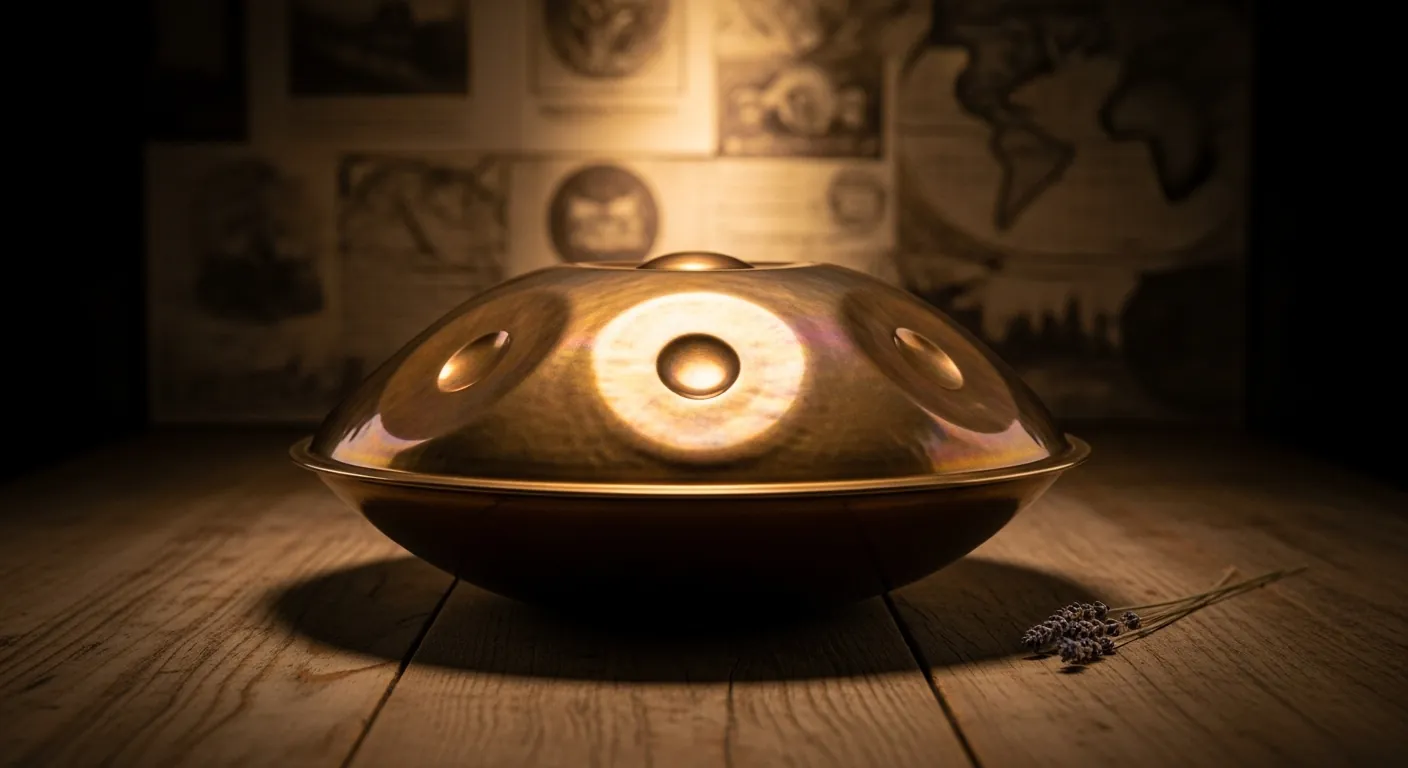
Handpan is an acoustic percussion-melodic instrument —a steel instrument with a central "ding" sound and sound fields, played with the hands and fingers. A typical handpan has 9 to 21 notes, weighs approximately 4–5 kg, and produces a soft, ethereal, and meditative sound thanks to its rich overtones. The instrument was created around 2000 in Switzerland, at the PANArt studio, as a development of the Hang® instrument concept.
In a short time, the handpan gained enormous popularity among musicians, therapists and meditation enthusiasts. Handpan instrument It captivates with its mesmerizing sound and intuitive playability—friendly for both beginners and professionals. But where does this instrument come from? What's its history? This is the story of an instrument that revolutionized the world of ethnic and relaxation music.
1. Handpan – what is this instrument and where does it come from?
The origin of the handpana dates back to the twentieth century, but its roots are rooted in traditional percussion instruments of different cultures. One of the main inspirations for the creators of the handpan was a steel Pan instrument native to the Caribbean, particularly Trinidad and Tobago. The Steel Pan was created in the 1940s. It was made from oil barrels that were processed to produce certain sounds.
The instrument quickly gained popularity in Caribbean music, and its unique melodic sound attracted the attention of musicians from all over the world. The difference from handpan was the use of sticks for playing steel Mrs, while handpan allows you to play directly with your hands.
2. The handpan tool - how did it come about and why is it unique?
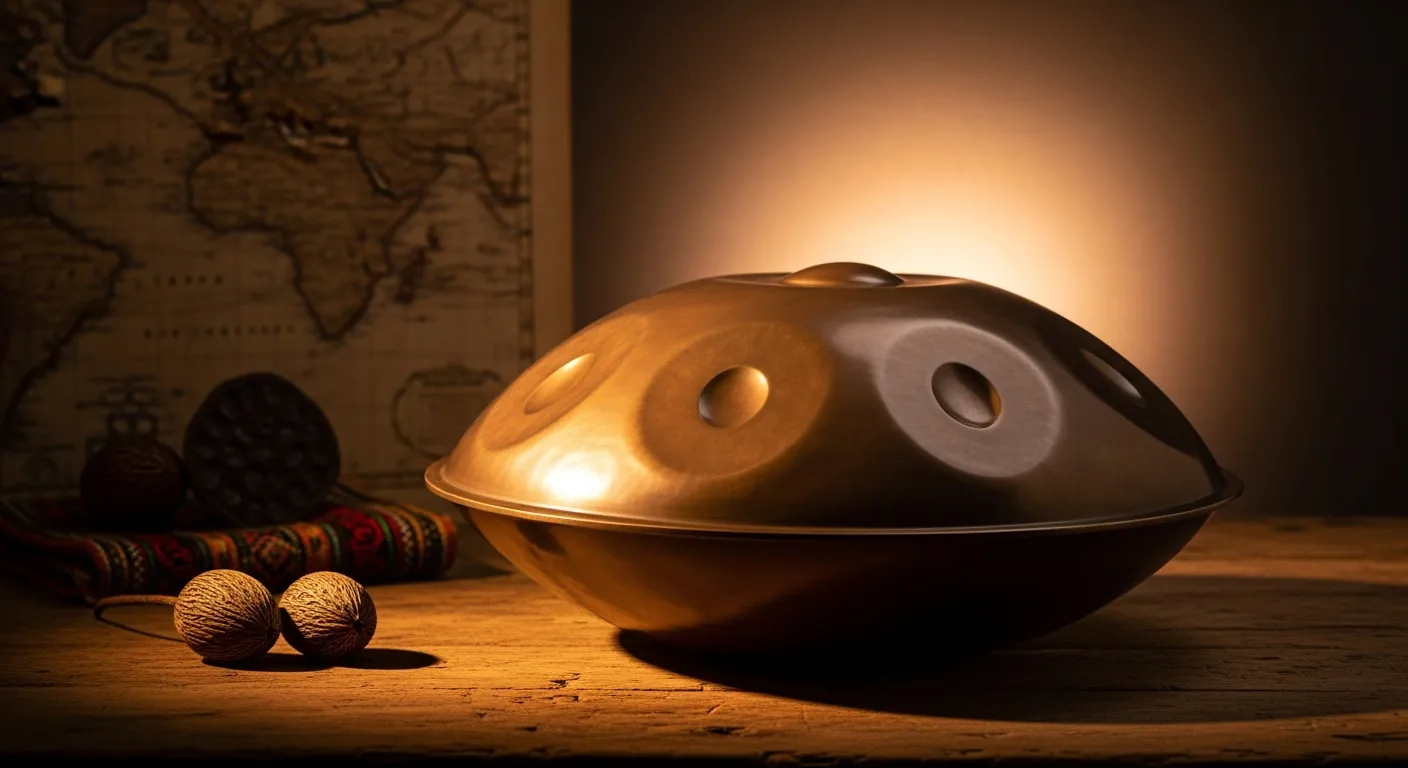
The turning point for handpan came in 2000, when Felix Rohner and Sabine Scherer from the Swiss company PANArt created the first hang Drum. This instrument was inspired by the steel Pan, but the key innovation was the ability to play with your hands, which gave it a unique, warm and ethereal sound.
Hang Drum has been recognized for its simplicity of play and unique sound. PANArt produced these instruments by hand and in limited editions, which contributed to their high value and desire in the music market.
| Feature | Hang Drum (PANArt) | Handpan (other brands) |
|---|---|---|
| Year of foundation | 2000 | Since about 2007 |
| Game method | Clap hands | Hands or sometimes chopsticks |
| Production | Manual, limited | Manual and semi-mass |
| Price | High, unique | Diverse and more widely available |
| Popularity | Cult Restricted Access | Growing all over the world |
3. Handpans development and a global community of musicians
The limited production of Hang drum encouraged other craftsmen and companies to create their own versions of the instrument, called handpans. The first alternative models appeared around 2007, and over time the market has expanded with many different genres of handpans, offering different scales, materials and manufacturing methods.
Today, there is a large community of handpanists around the world, and the instrument is constantly evolving, gaining popularity in both solo and ensemble music.
| Handpana scale | Key of interest | Audio Characteristics |
|---|---|---|
| D Kurd | D minor | Warm, deep and melodic |
| F# low Pygmy | F# | Bright, ethereal, rich in harmony |
| Amara | A minor | Gentle, soothing |
| Aegean | A | Mystical, full of space |
4. Handpan Today - a global community of musicians
Today, the handpan is a world-renowned instrument used in both solo and ensemble music. Its mesmerizing sound makes it frequently used in:
- meditation and sound therapy,
- relaxing and ambient music,
- street performances and concerts,
- ethnic and experimental music.
Handpan's popularity is also growing thanks to social networks and platforms like YouTube, where musicians share their compositions, inspiring more people to learn to play.
5. How does a handpan instrument work? Construction and sound.
Handpan instrument are two steel hemispheres with recessed notes (9-21 notes). The central "ding" + surrounding notes in scales like D Kurd create a resonance that vibrates in the body.
What makes this instrument stand out?
- Intuitive game: No notes, improvisation from the first session.
- Relaxation: Vibrations reduce stress, perfect for yoga.
- Versatility: From solo to duets, concerts and therapy.
| Series | Notes | Material | For whom? |
|---|---|---|---|
| Professional Series | 9–15 | Stainless steel | For beginners and everyday players |
| Mystical Series | 9–21 | Premium stainless steel (approx. 1.2 mm) | For those looking for a deeper, more complex sound |
6. Practical tips for beginners
- Start with random audio playback-don't be afraid to experiment with rhythm and dynamics, even if you're not familiar with music theory.
- After each game session, take care of the tool – store it in a dry place and use a convenient case.
- For training, use free YouTube videos, such as courses from Malte Marten or handpan producers ' own improvisations.
- Record your first attempts-you can clearly hear your progress after a few weeks of practice!
- Join handpan groups on the forums - community support helps you search for tips, inspiration, and materials.
- Check out our guide how to choose a good handpan
7. Interesting facts about handpans
- The first Hang® instrument was created in Switzerland around 2000. Since then, hundreds of handpans have been created – over a hundred recognizable scales and countless individual models created by various manufacturers.
- The sound of handpana is especially appreciated by music therapists-the instruments are often used in sound massages and relaxation sessions.
- Some high-end handpans are produced within a few weeks, and the latest tuning tweaks last a few days.
8. My experience with the handpan instrument
The first contact with handpan was a unique experience for me. The instrument surprised me with its intuitive nature-in just a few minutes I could freely improvise simple melodies. Over time, I started experimenting with different scales (D Kurd and F# low Pygmy), recording my own songs and sharing them in the handpan communities. Regular practice has made playing handpan not only a passion, but also a way to relax, create your own musical style, and support creative work.
Want to start your handpan journey? Miłość i Spokój offers both Professional Series and Premium Series 430 stainless steel instruments—each handcrafted by experienced craftsmen, tuned by ear, and personally tested by me before shipping. See sample projects →
Resume
The Handpan is a relatively young instrument, but its history shows how quickly it was able to win the hearts of musicians around the world. From the inspiration of the Caribbean steel Pan to the creation of hang drum in Switzerland and the development of the global handpanist community, his journey is extremely dynamic.
If you dream of having your own handpan, it's worth starting by choosing the right instrument Miłość i Spokój store. And if you already have one, just play, experiment, and enjoy its unique sound! 🎵
FAQ-Frequently Asked Questions
The price depends on the series and configuration: Professional Series (430 stainless steel) starts from around PLN 5,000, and Mystical Series (Premium stainless steel) — from approximately PLN 6,000. The final price depends on the number of notes, their arrangement, and the options selected; for the most complex configurations, I quote individually.
Choosing a handpan shouldn't be limited to purchasing the first instrument available. Every musician has different needs, so it's worth choosing a custom-made handpan. In our shop, we help you choose the right scale, tonal character, and finish, and our makers hand-craft an instrument tailored to your playing style, sensitivity, and expectations. This way, you'll receive a unique handpan created especially for you, not a random, one-size-fits-all model.
Handpan is intuitive-you can extract beautiful sounds from it in just a few moments. The development of technology comes with time, it is worth using online lessons and lessons.
Clean regularly with a soft cloth, avoid excessive humidity and drops, do not play in the rain. Every few months, it is useful to use a special preserving oil.
The easiest scales to start with are D Kurd, Amara, and Pygma. They offer many melodic possibilities, are versatile and popular among beginners.

I run the Miłość i Spokój brand and personally test every instrument before shipping—playing it, checking its tuning, and listening. I work with handpan as a musician, a sound healing practitioner, and someone who simply can't stop playing.
One response to “Handpan – co to za instrument, skąd pochodzi i jak brzmi?”
A very interesting article, I always wondered where the handpan came from, seriously, it sounds super cool how it all comes about