Handpan Game - How to Get Started? A Beginner's Guide
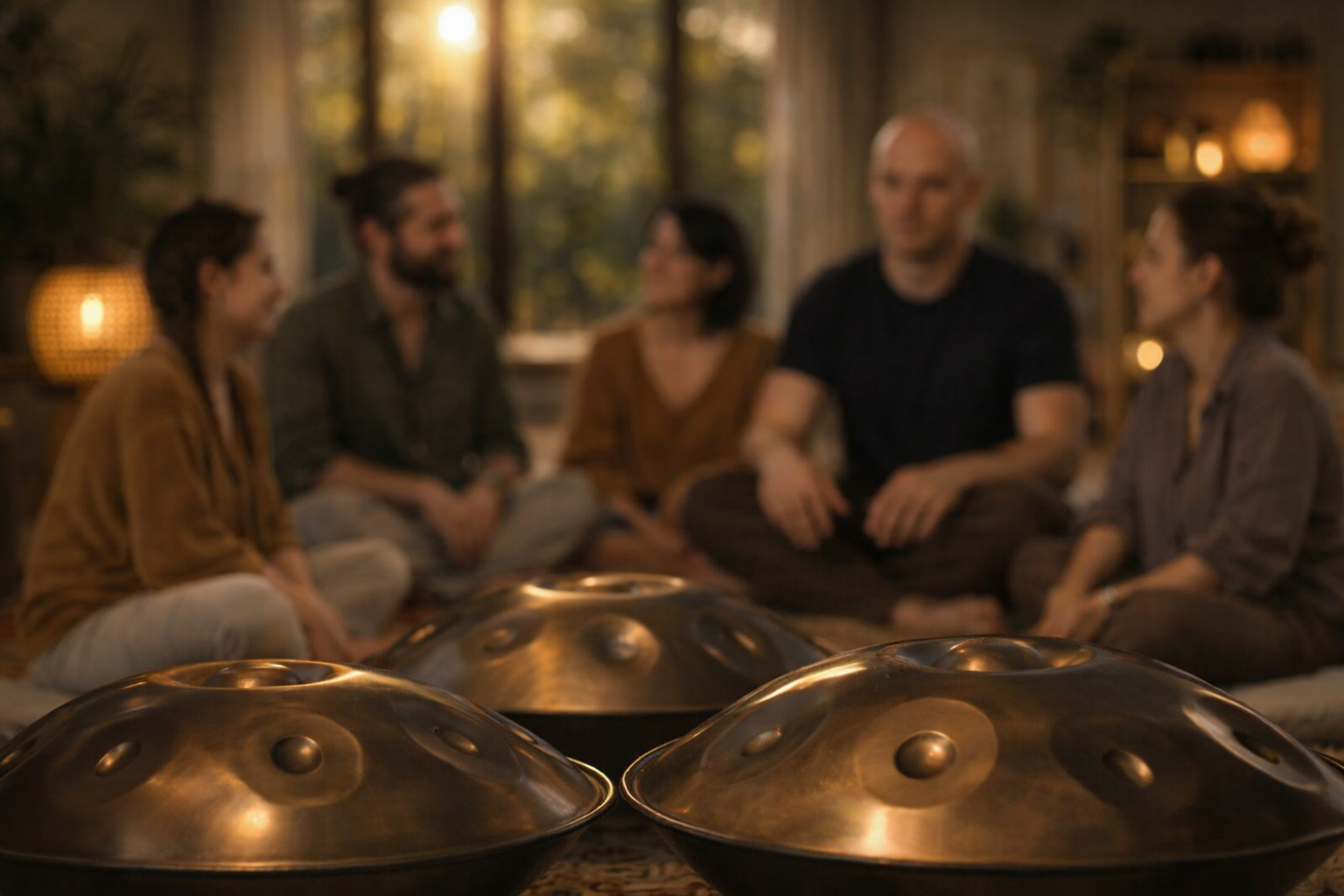
Playing the handpan requires no musical training. Learning to play the handpan is faster than any other instrument—you'll be playing your first tunes the same day. All you need are two things: a good instrument and…
Handpan Sounds - How to Choose the Scale and Key for Yourself?
The handpan is an instrument that captivates with its richness and depth of sound—it can be low, warm, and meditative, or brighter, more melodic, and energetic. The instrument's character is determined primarily by: scale, key, octave ding,…
Handpan - Which One to Choose? A Guide to Choosing Your First Good Handpan
Your first handpan doesn't have to be a choice preceded by weeks of analyzing scales, materials, and configurations. Initially, the most important thing is that the instrument's sound encourages you to play, and the sound layout is intuitive. There is no…
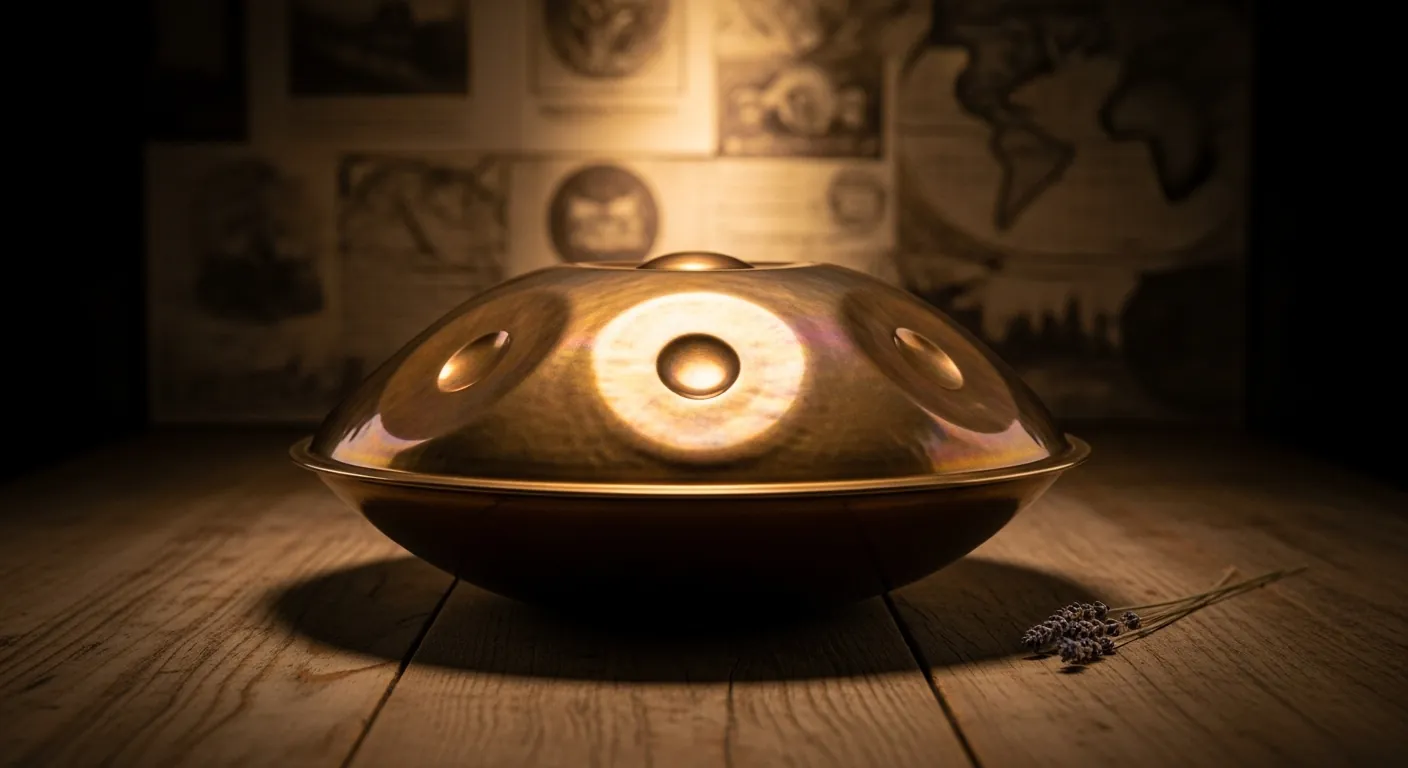
Handpan – what is this instrument, where does it come from and what does it sound like?
The handpan is an acoustic percussive-melodic instrument—a steel instrument with a central "ding" sound and sound fields played with the hands and fingers. A typical handpan has 9 to 21 notes and weighs approximately…
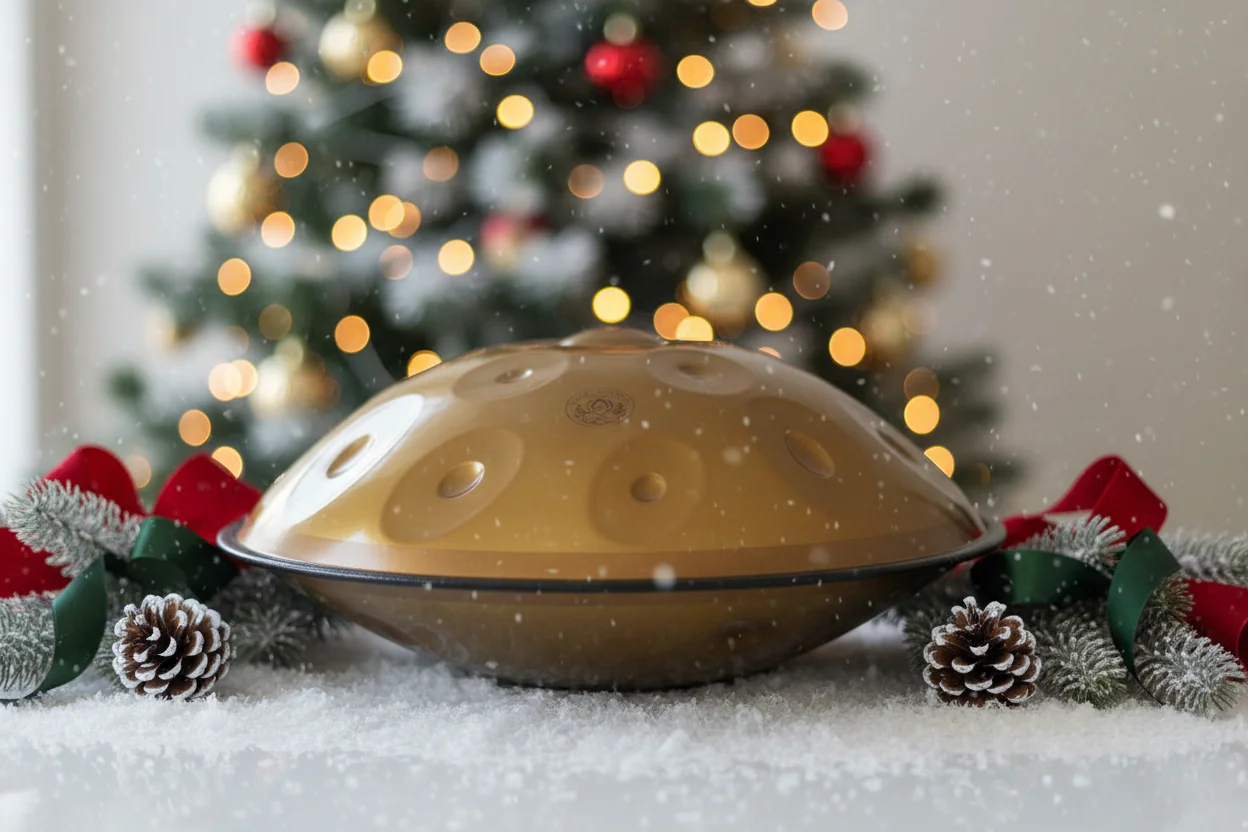
Handpan as a unique gift
A handpan can be a unique gift for someone who enjoys music, is looking for a new way to spend their time creatively, or dreams of an instrument for quiet, intuitive playing. It's not just another seasonal gadget—appropriately…
How much does a handpan cost in Poland? Prices, series, and what really influences pricing.
How much does a handpan cost, and what determines its price? There's no single price for every instrument. Pricing is influenced by factors such as the number and placement of notes, pitch, type of steel, and degree of customization.

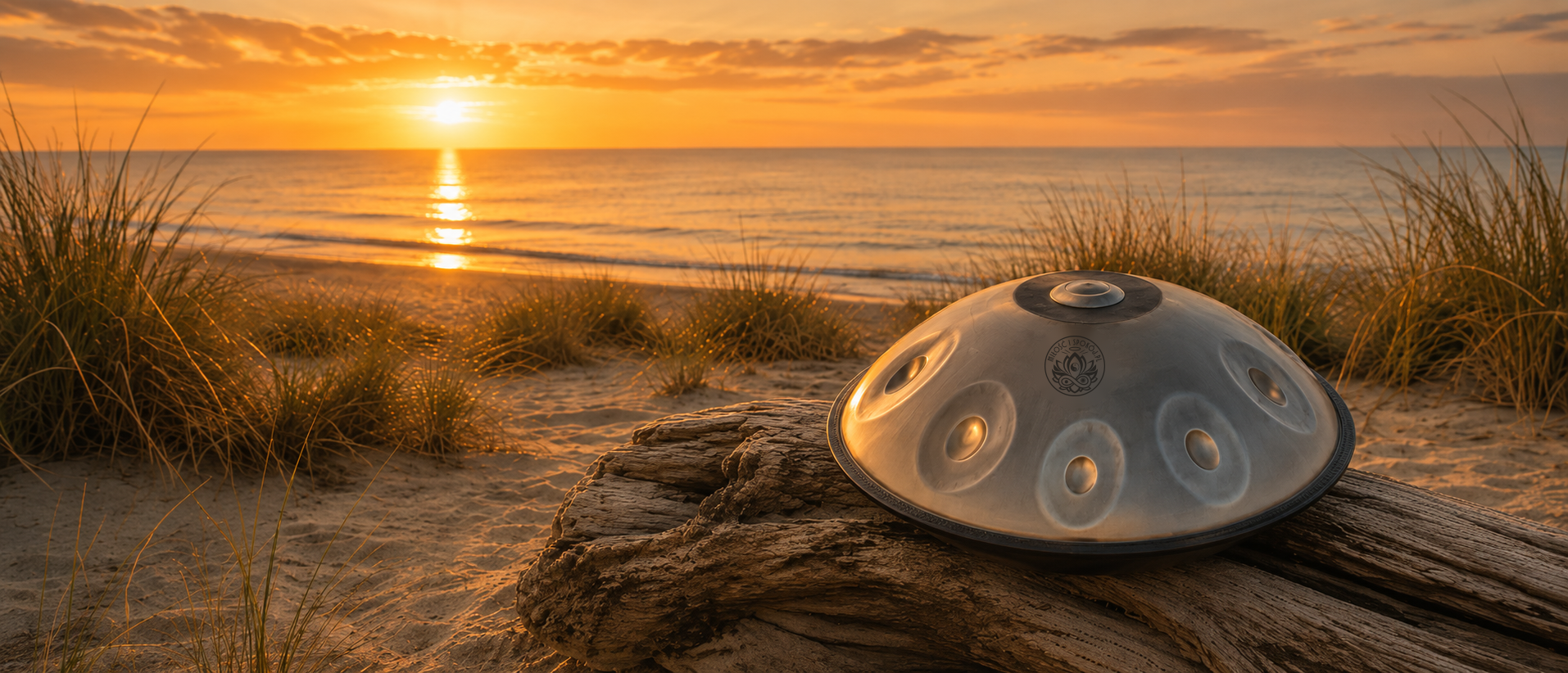
Handpan in the open air – how to play, what to care for and which material to choose
The first warm days, and you immediately want to get outside with your instrument. I know this from personal experience—when the sun warms your back and the handpan rests on your lap, every stroke sounds different…
Handpan 432 Hz or 440 Hz – which tuning should you choose?
My own handpan—the F#3 low Pygmy—is tuned to 432 Hz. This is a conscious choice, not a coincidence or fashion. In this article, I explain the difference between the two tunings, telling you what I hear…
Stainless Steel Handpan - Premium vs Stainless Steel: How to Choose the Material?
The handpan is an instrument whose craftsmanship is evident in every stroke. The material from which it is made determines the tone, durability, and character of the instrument. I offer two types of steel: stainless steel…
Tuning a handpan – how to care for, clean and maintain it?
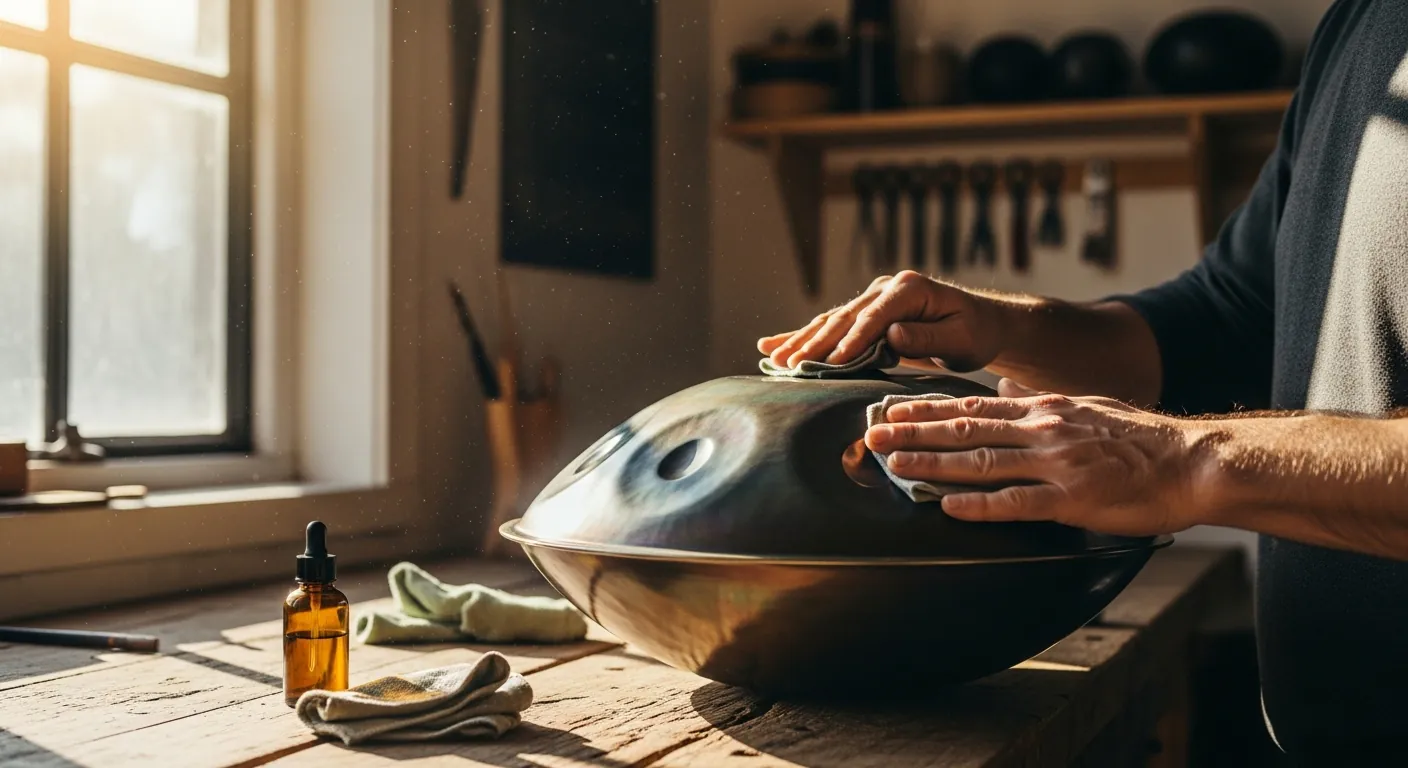
Even the most well-cared-for instrument will eventually require tuning—a natural process resulting from the wear and tear of the metal and use. However, regular maintenance will significantly extend the life of your handpan.

Search