
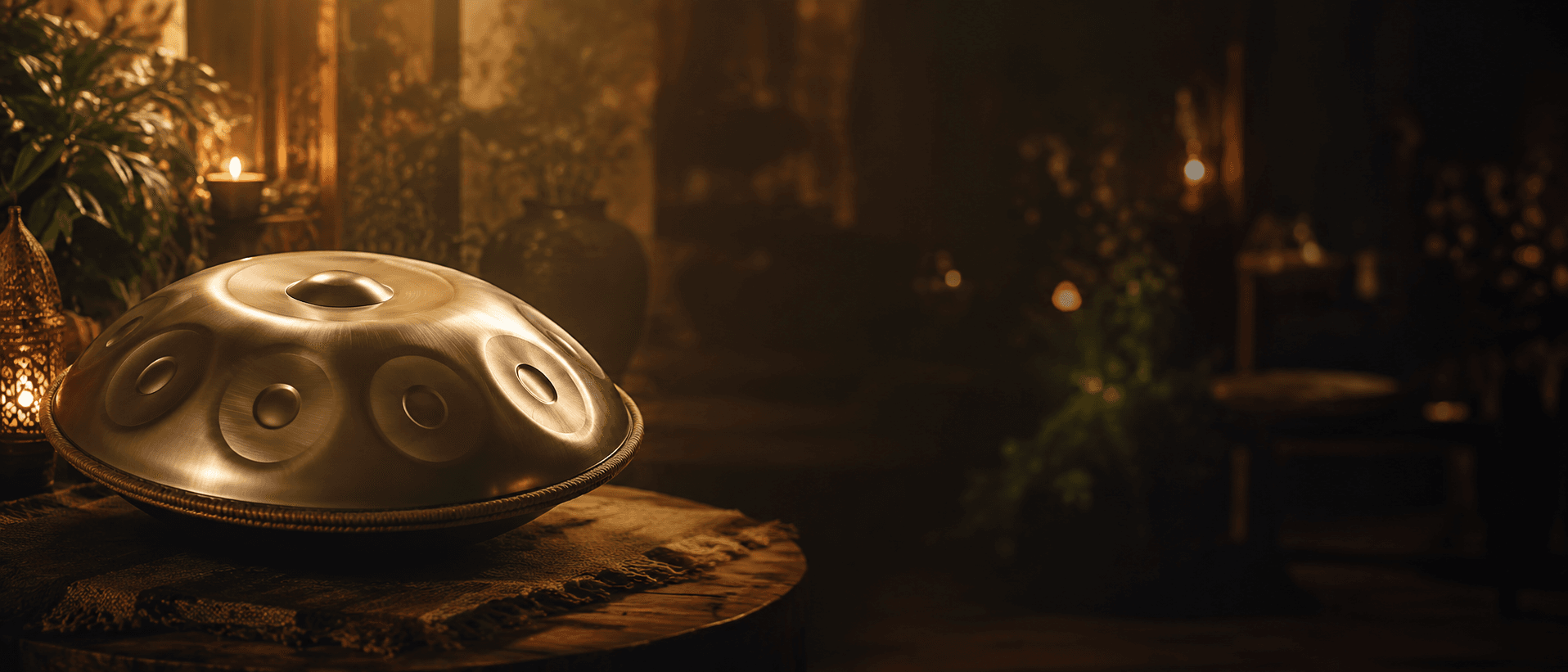
I test every handpan that arrives at Miłość i Spokój. This is a permanent part of order fulfillment, not an additional service performed only on selected instruments. In this article, I'll show you a specific example from one of my recent deliveries: three pieces that I personally inspected in Gdańsk before shipping to customers.
From the recording the maker sends to the visual inspection and my sound tests, I describe the entire process step by step, so you can see what I check before the instrument is approved and shipped.

Full handpan quality control process
Quality control begins even before the instrument is shipped. During one of the stages of its preparation, I receive a recording of a specific instrument, which allows me to initially assess the scale accuracy, number of notes, tonal character, and build quality. If anything requires clarification or correction, I provide my comments before accepting the instrument for further development.
Once the work is completed and delivered to Gdańsk, I conduct my own inspection. I unpack the instrument, inspect its surface and condition after transport, compare the configuration with the order, play each field individually and in short sequences. I also record a test using a RØDE condenser microphone without adding any effects that would alter the sound character.
It's important to remember, however, that no online recording accurately reflects the sound. Room acoustics, microphone placement and characteristics, YouTube or Vimeo compression, and the headphones or speakers used by the listener all influence the experience. Nevertheless, recordings allow for a fair comparison of the character of individual units.
During the inspection, I assess eight main areas:
- Clarity and readability of notes — each note should be clear both when played separately and in a faster sequence.
- Volume balance — no field should accidentally dominate or remain noticeably quieter than the others.
- Consonance of notes — I check how the fields react in chords, pairs and short phrases.
- Dynamic range — the instrument should respond to both light and slightly stronger, correct striking.
- Sustain and its control — the sustain length should match the design and character of the specific model.
- Resonance and spatiality — I assess whether the mutual stimulation of fields enriches the sound but does not cause unwanted rumbling or buzzing.
- Suit compliance during the test — I pay attention to the stability of the note pitch and the lack of audible sound undulations.
- Overall playability — ease of producing sounds, convenience of the arrangement of notes and the behavior of the instrument during calm and more dynamic playing.
If the instrument meets all the criteria, I prepare it for shipment. If I have reasonable doubts about the workmanship or sound, the instrument is not sent to the client until the matter has been resolved and any necessary corrections have been made.
A video of the handpan making process
Below is a video showing a fragment of the handpan making process:
Later in this article, I also include recordings of specific instruments, made after the initial tuning was completed. These recordings allow for an assessment of the instrument before shipment. These recordings depict actual instruments.
Unpacking the last delivery and visual inspection
After the shipment arrives, I first check:
- Surface condition and finish — whether there are no new scratches, dents, chips, traces of corrosion or unevenness of the finish.
- Compliance with the order — scale, number and arrangement of notes, tuning 432 or 440 Hz, color, pattern, logo and agreed equipment.
- Condition after transport — whether the instrument, case and other components of the set arrived undamaged.
In the delivery described, all three units arrived undamaged and as ordered. The next step was sound testing.
Sound test results from the last delivery
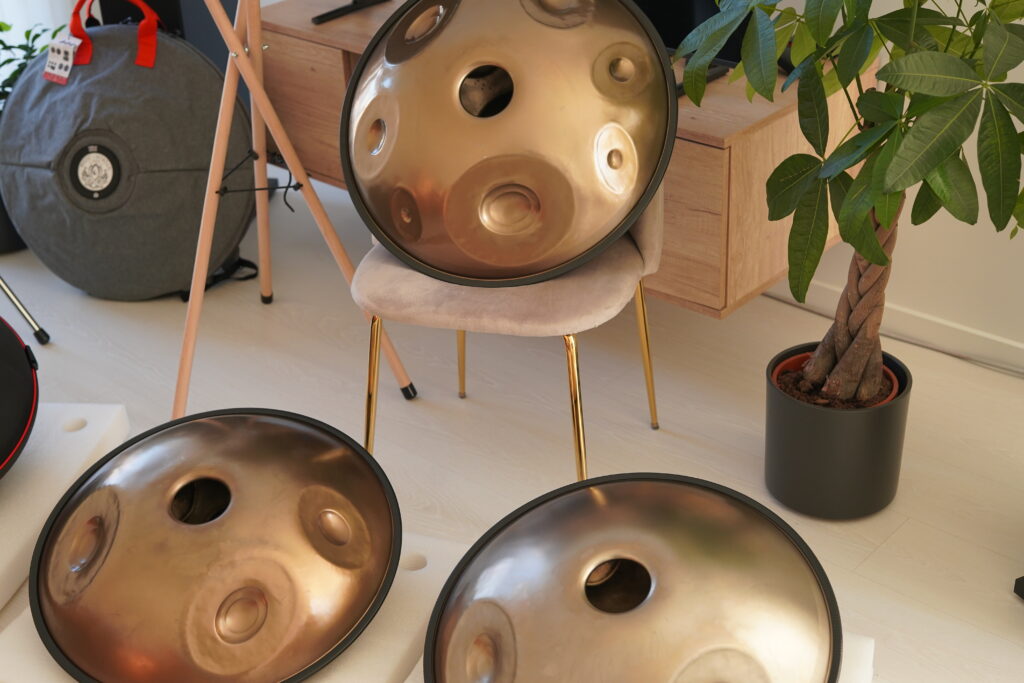
Below are three specific examples and their inspection results. Each passed the tests and was approved for shipment.
Recordings are of the actual handpan shown. Because each handpan is handcrafted to order, subsequent instruments in the same configuration may differ slightly in tone, dynamics, and surface appearance.
Test 1: handpan D Kurd 10 Silver Spiral 432 Hz
D Kurd is a consistent and intuitive minor scale, often chosen as first handpan. The 432 Hz tuning is intended primarily for solo playing or with instruments tuned the same way.
- Maker's video showing the finished piece: handpan presentation.
- My test in Gdansk: TEST 1 - D Kurd 10, 432 Hz, Silver Spiral.
- Sample project: Handpan D Kurd 10 Premium Stainless Steel.
Test result: The notes were clear and legible, and their volume was well-balanced. The instrument had a long, warm, and controlled sustain. The Silver Spiral finish was as ordered, with no damage or visible flaws. The piece was accepted without any complaints.
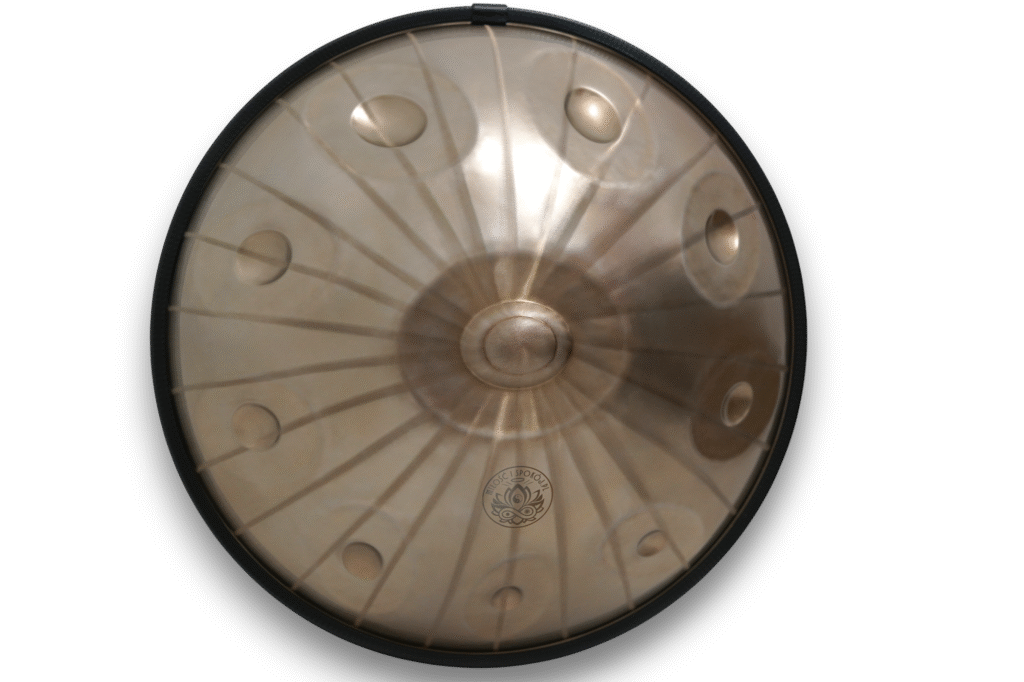
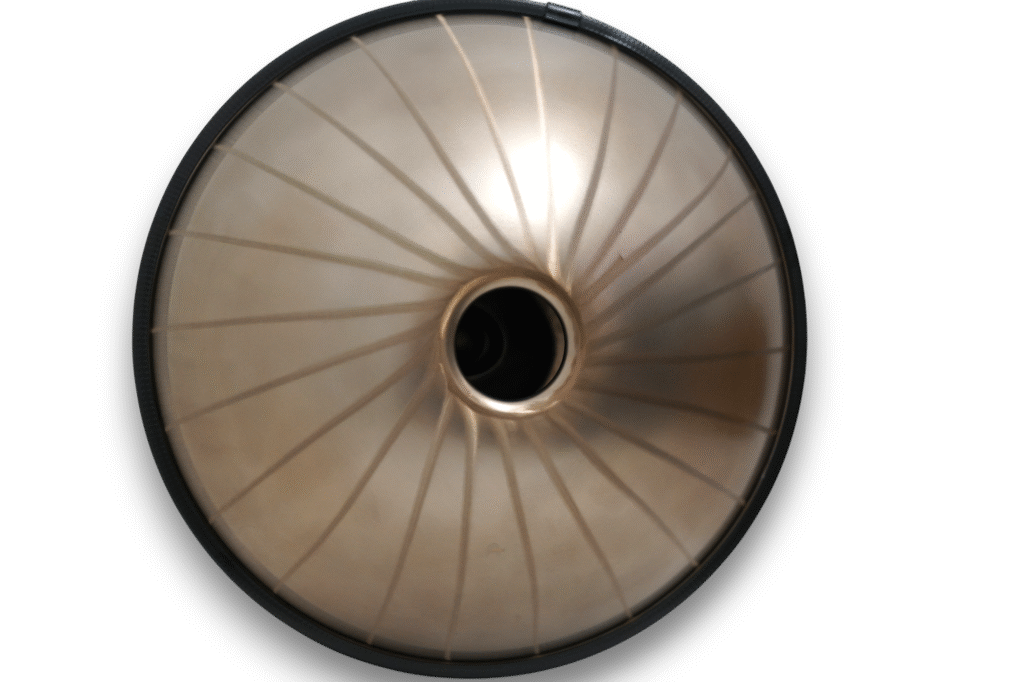
Test 2: D Kurd 12 Premium Stainless Steel Handpan, 440 Hz
The expanded 12-note layout offers more melodic and harmonic possibilities than the basic configuration. The 440 Hz tuning makes it easy to play with most modern instruments and backing tracks using standard tuning.
- Maker's video showing the finished piece: handpan presentation.
- My test in Gdansk: TEST 2 — D Kurd 12, 440 Hz.
- Sample project: Handpan D Kurd 12 Premium Stainless Steel, 440/432 Hz.
Test result: All fields were clearly legible, and the instrument maintained a good balance between single notes and broader harmonies. The 440 Hz tuning was as specified, and the extended range allowed for the construction of more complex melodies and chords. The sample was accepted.
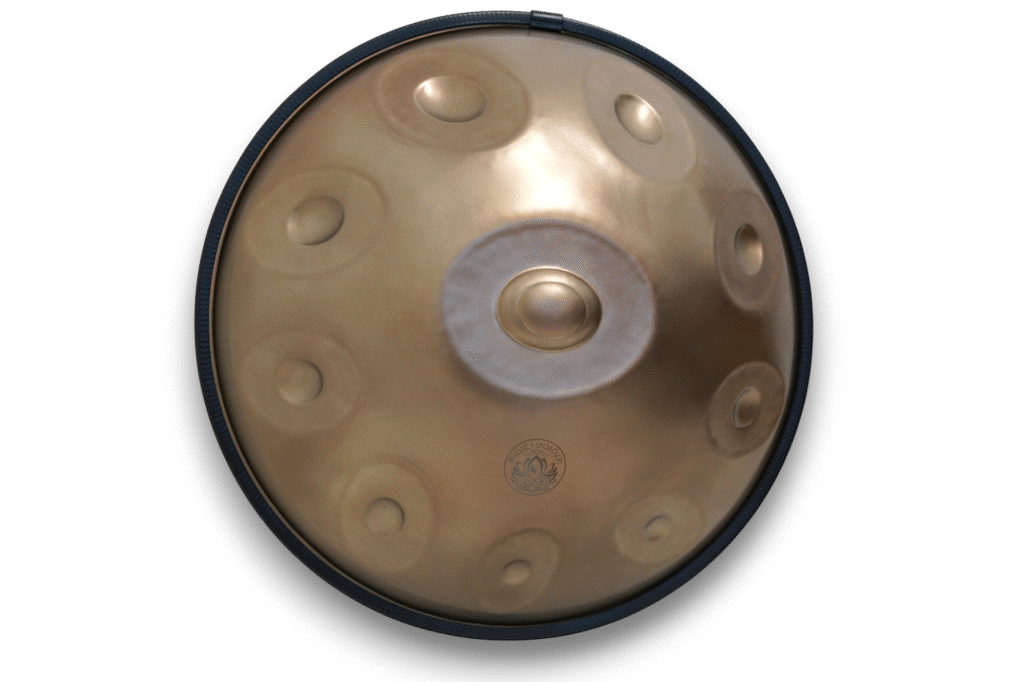
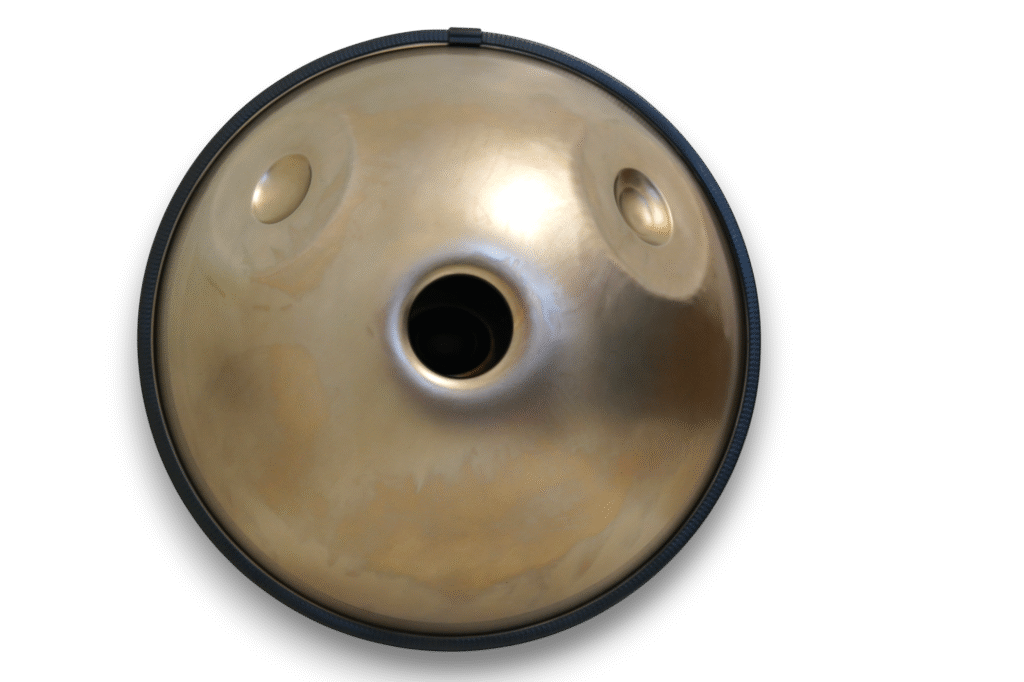
Like this arrangement but need a different tuning, scale, or number of notes? Text me — I will help you choose the configuration that suits your way of playing.
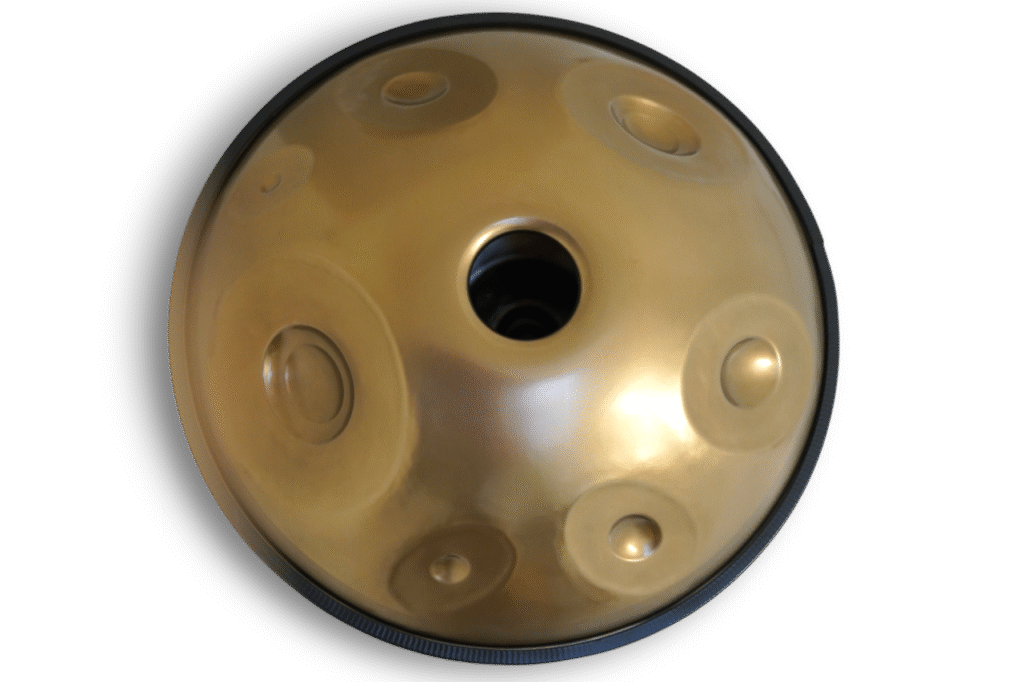
Test 3: handpan mutant D Aegean 20 Low Pitch, 432 Hz
The 20-note configuration offers a very wide range and many compositional possibilities. It requires more familiarity with the layout of the fields than the basic model, but it can suit both experienced musicians and those looking for a more advanced instrument from the start.
- Maker's video showing the finished piece: handpan presentation.
- My test in Gdansk: TEST 3 - D Aegean 20 Low Pitch.
- Sample project: Handpan D Aegean 20 notes Low Pitch.
Test result: All 20 notes were clearly legible, and their volume and sustain remained well-balanced throughout the instrument. The lower register gave the sound a deep and grounded character, while the extended arrangement maintained clarity during improvisation. The copy was accepted.

Summary - What happens after testing?
All three instruments from the described shipment have passed full inspection and have been shipped to customers. You can read about how I secure my instrument during transport in the post about packaging and shipping of handpans.
I will record further tests during the next deliveries and publish them on Miłość i Spokój channel on YouTube. I show specific examples so you can compare different scales, number of notes, registers, and finishes.
Each handpan is made to order, and the models visible on the website are sample designs. Text me — together we will choose the scale, number of notes, tuning, material and appearance of the instrument.
FAQ - Handpan Tests
A full inspection of a single instrument typically takes about two hours, depending on the number of notes and the complexity of the setup. During this time, I check for visual condition, compliance with specifications, individual field tone, volume balance, dynamics, sustain, and overall playability.
I record my tests with a RØDE condenser microphone, without adding any effects that alter the instrument's sound. The recording allows me to hear the character of a specific instrument, although the perception is always influenced by room acoustics, the microphone, internet service compression, and the device used for monitoring.
Yes. First two tools They are in the D Kurd scale, but differ in the number of notes, tuning to 432 or 440 Hz, and specific configuration. The third is the extended D Aegean 20 Low Pitch. The recordings show actual instruments, so you can compare their range, timbre, and resonance.
Yes. I personally inspect every instrument ordered from Miłość i Spokój upon delivery, before it is shipped to the customer. If the visual condition, sound, or compliance with specifications raise any concerns, the instrument will not be shipped until the issue has been resolved and resolved.
Sustain is the length of time a note remains audible after being struck. The term "warm" describes the subjective tone—mellow, full, and free of harsh, metallic overtones. A long sustain works well for relaxed playing, but should be controlled to prevent notes from overlapping excessively.
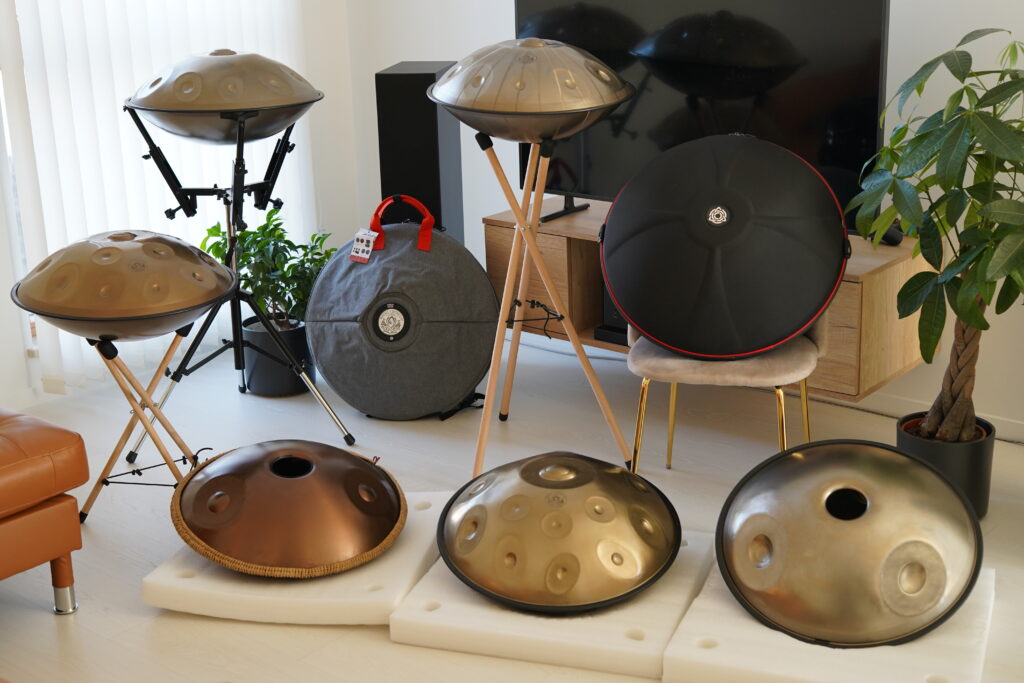

I run the Miłość i Spokój brand and personally test every instrument before shipping—playing it, checking its tuning, and listening. I work with handpan as a musician, a sound healing practitioner, and someone who simply can't stop playing.